Allergies in Jaipur are rising due to dust, pollution, and lifestyle changes. Learn symptoms and effective long-term solutions for allergy control.
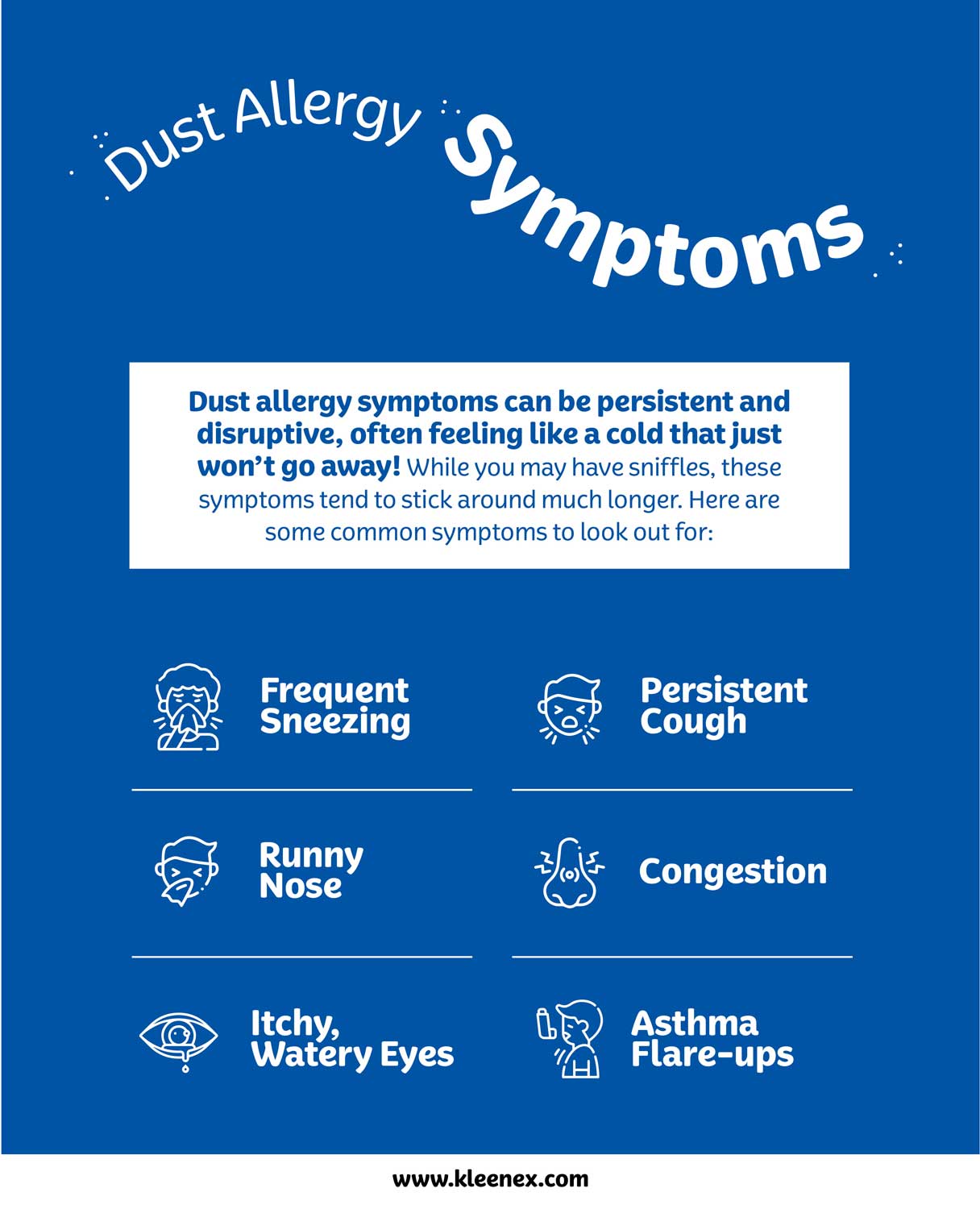
Allergies in Jaipur are increasing steadily, and many people now experience symptoms throughout the year rather than only during seasonal changes. Frequent sneezing, blocked nose, itchy eyes, cough, and breathing discomfort have become common complaints among both adults and children.
Earlier, these problems were often ignored as minor issues. However, today they affect sleep, work productivity, school performance, and overall quality of life. Understanding why allergies are rising is the first step toward proper and lasting control.
4
Why Allergies Are Increasing in Jaipur
1. High dust exposure indoors and outdoors
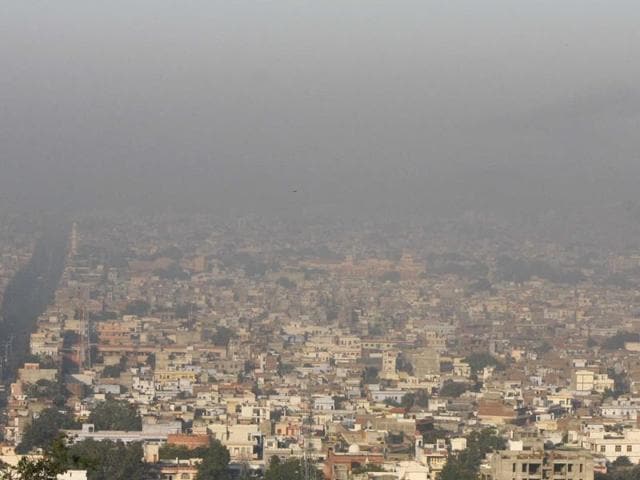
Jaipur’s dry climate naturally produces dust. In addition, construction work, road digging, and open soil increase airborne dust levels. This dust easily enters homes and settles in mattresses, pillows, curtains, and sofas.
As a result, indoor dust exposure has become one of the most common allergy triggers, even for people who rarely go outdoors.
2. Air pollution worsens allergic reactions
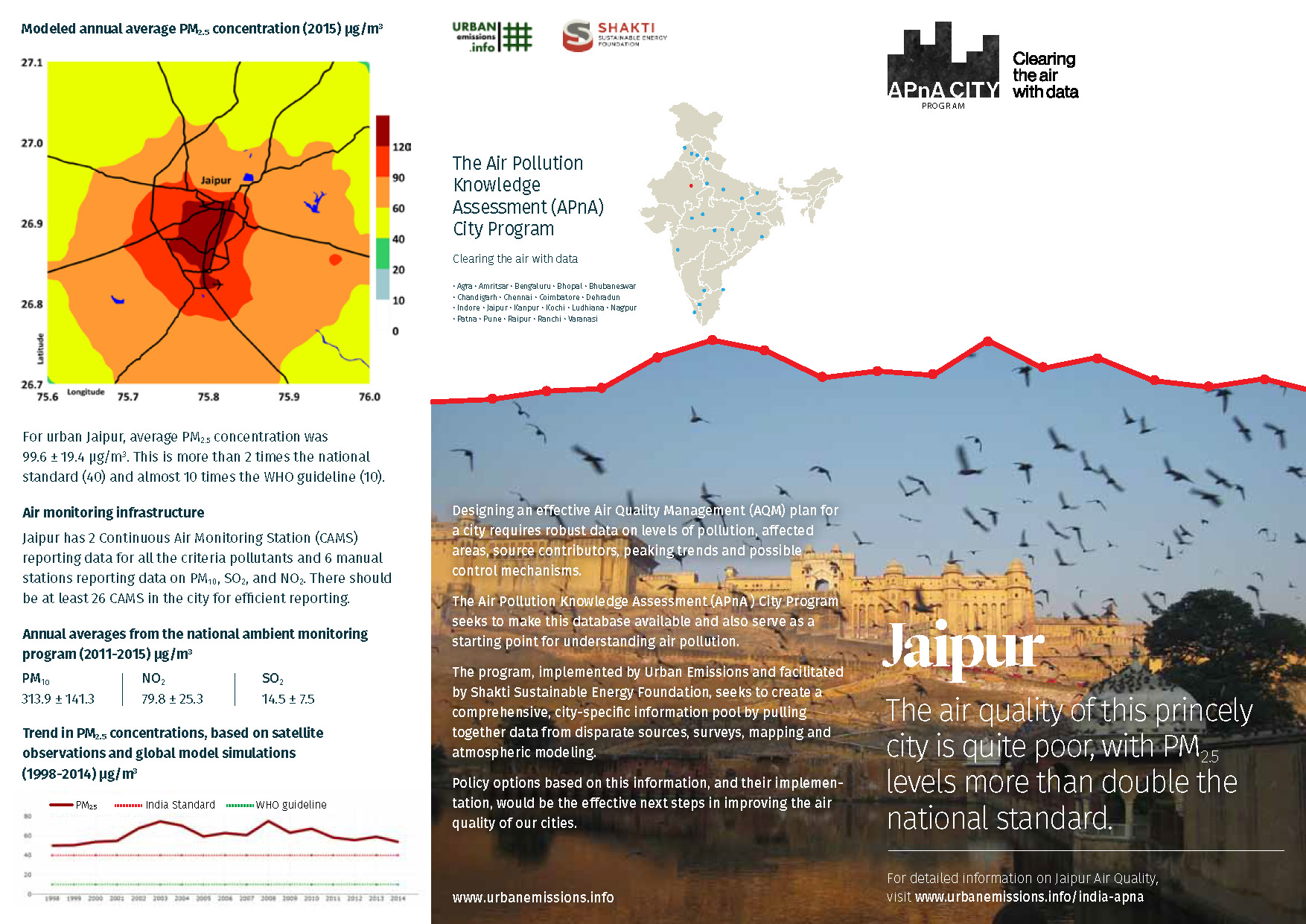
Air pollution irritates the lining of the nose and lungs. Because of this irritation, even small amounts of dust or allergens can trigger strong allergic reactions. Many people notice that their symptoms worsen on days with poor air quality.
According to the World Health Organization, air pollution increases airway inflammation and makes respiratory symptoms more severe.
3. Weather changes and dust storms
Pre-monsoon months in Jaipur bring dry winds and dust storms. Sudden temperature changes combined with heavy dust exposure commonly trigger sneezing, nasal blockage, eye irritation, and cough, especially in people with sensitive airways.
4. Indoor lifestyle and reduced ventilation
Modern living often involves closed windows and continuous AC use. However, poor ventilation allows allergens such as dust mites and mold to circulate inside the home.
Therefore, many people experience worse symptoms at night or early morning, especially inside bedrooms.
5. Increased awareness and diagnosis
In recent years, more people have started recognizing allergy symptoms early and seeking medical advice. While this improves diagnosis, it also highlights how widespread allergies have become in Jaipur.
Common Allergy Symptoms Seen in Jaipur
Nose and eye symptoms
- Repeated sneezing, especially in the morning
- Runny or blocked nose
- Nose or throat itching
- Itchy, watery, or red eyes
Chest symptoms
- Recurrent cough
- Chest tightness or wheezing
- Breathlessness after dust exposure
Skin symptoms (in some individuals)
- Itchy rashes
- Recurrent hives
If these symptoms keep returning or last for weeks, they should not be ignored.
Temporary Relief vs Root-Cause Treatment
Most people depend on anti-allergy tablets or nasal sprays. These medicines help control symptoms temporarily. However, they do not change the body’s allergic tendency.
As a result, symptoms often return once medicines are stopped. This is why identifying the exact allergy trigger is essential.
Effective Solutions for Allergies in Jaipur
1. Identify the allergy trigger
Allergy symptoms can look similar to sinus problems or repeated colds. Proper allergy testing helps identify whether dust, dust mites, pollen, or other allergens are responsible. Once the trigger is known, treatment becomes more accurate and effective.
2. Reduce daily allergen exposure
Simple steps can make a big difference:
- Wet-mop floors instead of dry sweeping
- Wash bedding regularly
- Reduce dust-collecting items in bedrooms
- Fix damp areas and mold early
- Avoid outdoor exposure during heavy dust or pollution hours
3. Medical treatment when required
Doctors may prescribe medicines to control symptoms safely during flare-ups. These should always be used under medical guidance to avoid unnecessary dependence.
4. Long-term allergy control
For patients with recurring allergies, especially dust-related allergies, allergy immunotherapy can help reduce sensitivity over time. This approach focuses on long-term control rather than repeated temporary relief.
A structured plan for allergy treatment in Jaipur combines diagnosis, trigger avoidance, and long-term management.
Frequently Asked Questions (FAQs)
Why are allergies in Jaipur getting worse every year?
Allergies in Jaipur are increasing due to high dust exposure, air pollution, frequent weather changes, and indoor allergens such as dust mites and mold.
How can I tell if it is allergy or a common cold?
Allergies usually cause sneezing, itching, and nasal blockage without fever and tend to recur. Colds are short-term, often associated with fever and body aches.
Is allergy testing necessary?
Yes. Allergy testing helps identify the exact trigger behind symptoms. Therefore, treatment becomes targeted instead of trial-and-error.
Why do symptoms return after stopping medicines?
Medicines control symptoms temporarily. However, if the trigger is not identified and treated, symptoms usually return once medicines are stopped.
When should I consult an allergy specialist?
You should consult a specialist if symptoms keep returning, medicines are needed frequently, or if sleep, school, or work is affected.
Final Takeaway
Allergies in Jaipur are rising due to dust, pollution, weather changes, and indoor exposure. Therefore, managing allergies today requires more than temporary relief. Identifying the trigger early and following a structured, long-term approach can significantly improve comfort and quality of life.